Carrying in Kentucky: permitless carry and the CCDW license
Kentucky has two ways to carry a concealed handgun. Most adults need nothing at all, and a licence is a choice rather than a requirement. Knowing which one you are relying on matters, because the license opens doors outside the state that permitless carry does not. This guide is current to September 2026.
Permitless carry
KRS 237.109, created by the 2019 General Assembly and effective June 27, 2019, says that persons 21 or older who are otherwise able to lawfully possess a firearm may carry concealed firearms or other concealed deadly weapons without a license in the same locations as a person holding a license under KRS 237.110. Nothing in the section allows carry where federal law forbids it. Open carry remains legal for the same adults and has been for far longer.
That is the whole of it. There is no registration, no card to show and no state database of who carries. If you can lawfully own the handgun, you can lawfully carry it concealed at 21 in Kentucky.
Why people still get the CCDW license
Reciprocity is the main reason. Permitless carry only works inside Kentucky, while a Kentucky license is recognised by a long list of other states. If you drive to Tennessee, Indiana, Ohio or Virginia with any regularity, the license travels with you in a way that constitutional carry does not. Reciprocity lists change, so check the current agreement with each state before a trip rather than trusting a map you saw last year.
The license also smooths things at some ranges and dealers, gives a clean answer when an officer asks, and is a prerequisite for a few jobs. Some dealers treat a Kentucky CCDW as an alternative to the point-of-sale NICS check; whether yours does is worth asking rather than assuming, because federal recognition of state permits is reviewed periodically.
How to apply
You apply at the office of the sheriff of the county where you live, which is why the process feels local even though the Kentucky State Police issue the license. Under KRS 237.110 the completed application plus the required documents and a fee of $60 goes to the sheriff, who forwards it to the State Police within five working days; $20 of that fee stays with the sheriff's office. Kentucky State Police also run an online application portal where you can apply, renew, request a replacement or check the status of your license.
You need to be 21, a Kentucky resident or a member of the armed forces stationed in Kentucky, legally able to possess a firearm, and free of the disqualifiers the statute lists. The license is valid for five years from the date of issue unless suspended or revoked. A renewal notice goes out at least 120 days before it expires; renewing late adds a $15 fee, and a license cannot be renewed more than six months after it expires.
The training requirement
KRS 237.110 lets you demonstrate competence in two ways. One is a firearms safety or training course taught by an instructor certified by a national organisation created to promote firearms education and safety, which the statute says includes but is not limited to the National Rifle Association, the United States Concealed Carry Association and the National Shooting Sports Foundation, with tests, in-person instruction and a live-fire component. The other is a course offered or approved by the Kentucky Department of Criminal Justice Training. A Department course may run no more than eight hours, must cover handguns, their safe use, care and cleaning and marksmanship principles, and includes live fire of no more than twenty rounds at a full-size silhouette target.
Peace officers, certain military members and some other groups can have the training requirement waived. Bring the certificate or affidavit with your application; the sheriff's office will not process the paperwork without it.
Ages 18 to 20
KRS 237.118 directs the Kentucky State Police to issue a provisional license to applicants who are at least 18 but under 21 and who otherwise meet the standards in KRS 237.110. The provisional license is governed by the same rules as a standard license, is valid throughout the Commonwealth, and can be exchanged for a standard license when it expires. It is the route for young adults, including many soldiers at Fort Campbell and Fort Knox, who cannot yet rely on permitless carry.
Where carry is barred
License or not, Kentucky keeps a short list of places off-limits: police stations and sheriff's offices, detention facilities, courthouses and courtrooms, meetings of a governing body, the portion of an establishment primarily devoted to serving alcohol, elementary and secondary school property without permission, child-care facilities, controlled areas of airports and anywhere prohibited by federal law. Post offices, federal buildings, military installations and the secure side of an airport are federal ground with their own rules. A private business can post its property and ask you to leave; ignoring that becomes trespass.
Choosing a carry gun
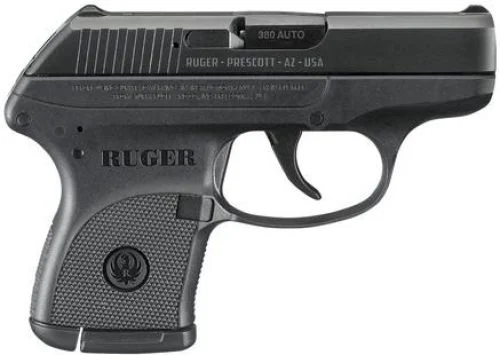
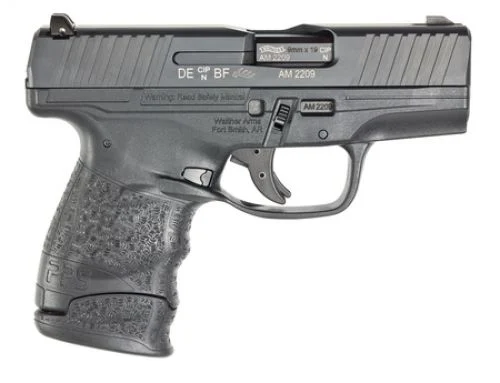
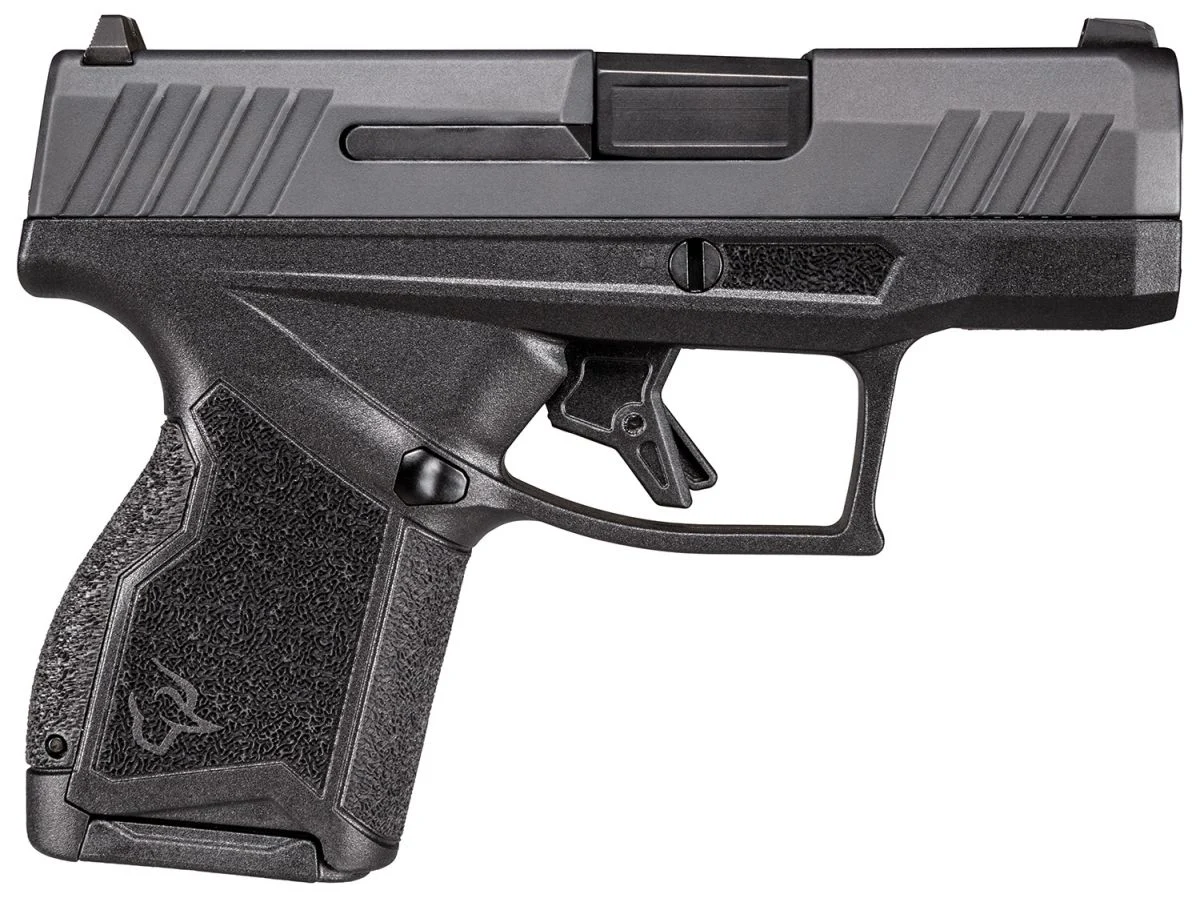
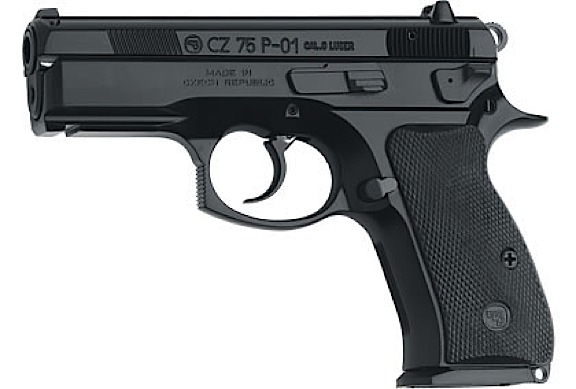
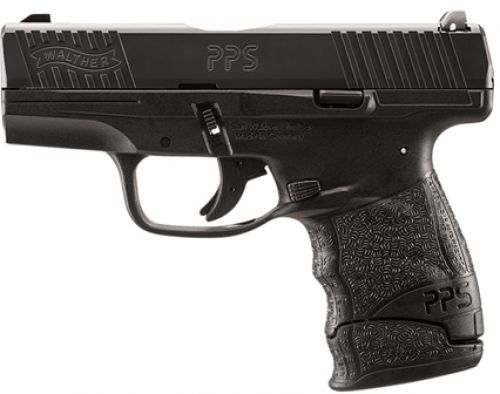
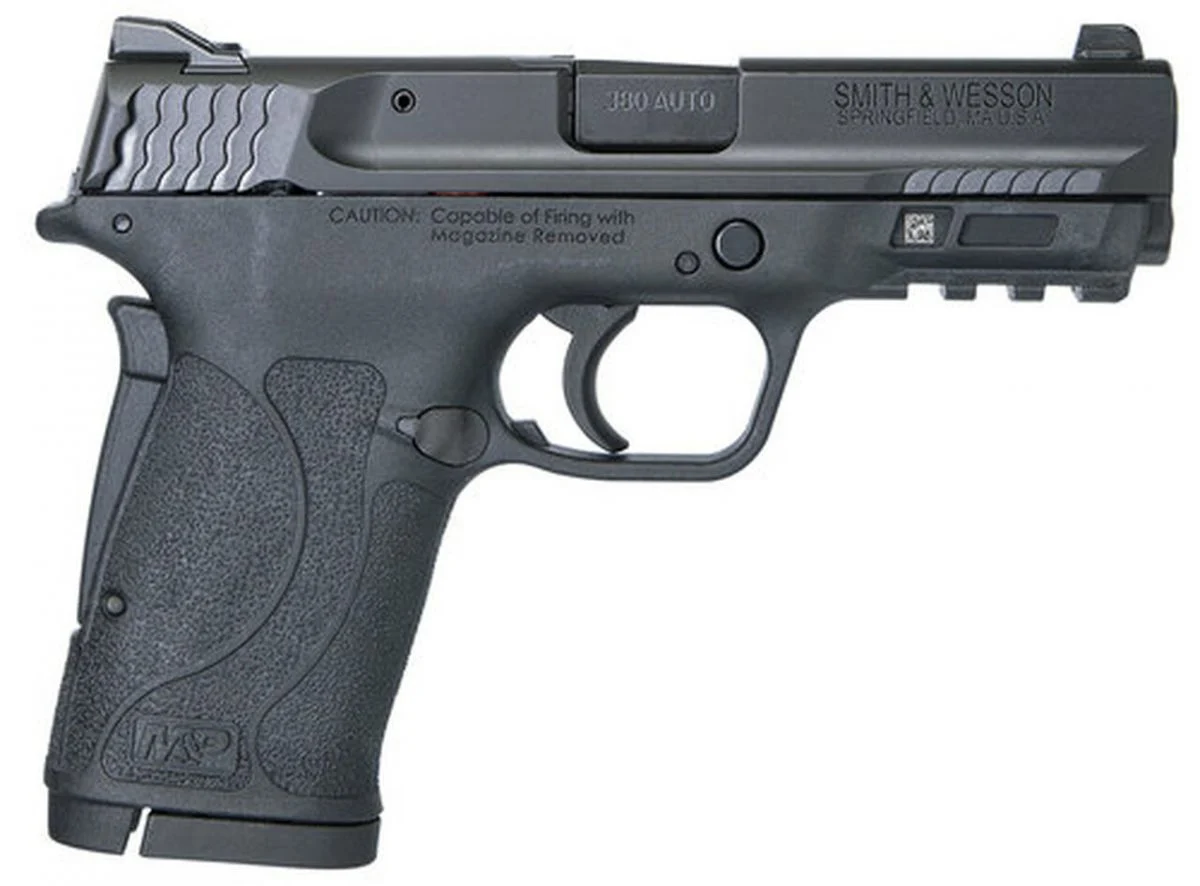
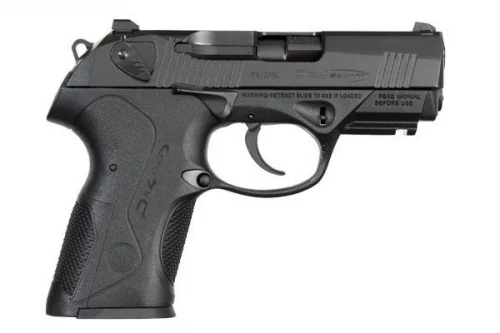
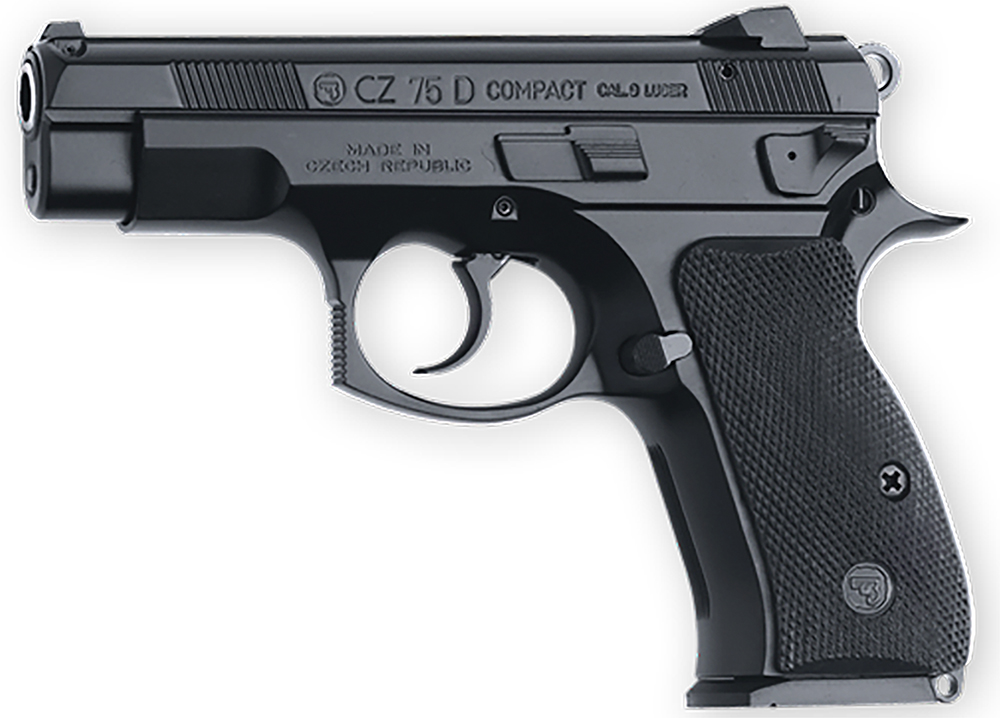
Most Kentucky carry is done with a compact or micro-compact 9mm: a Glock 19 or 43X, a Sig P365 in one of its sizes, a Smith and Wesson Shield Plus or an M&P 2.0 Compact, a Springfield Hellcat. Buy the holster and the belt at the same time as the gun, because a good belt does more for comfort than any feature on the pistol. If the gun will also live by the bed, look at the optic-ready and light-bearing versions covered in our AR and duty pistol guide. The wider legal picture is in our Kentucky gun laws guide, and you can browse what is in stock in the catalog.
General information, not legal advice. Current as of September 2026. Laws change; check the official source before you act.